

Foldable smartphones have already reshaped expectations around mobile design, but the arrival of tri-fold devices marks a far more significant shift.
With the Huawei Mate XT and the Samsung Galaxy Z Trifold entering the market, the industry is witnessing the first serious attempt to merge smartphones and tablets into a single, flexible form factor.
Tri-fold phones introduce a second hinge and a three-panel display, allowing users to move seamlessly between phone, book-style foldable and near-tablet experiences.
This evolution is not just about larger screens. It signals a change in how we consume content, work on the go and think about device categories altogether.
Let’s take a look at how they compare in some of the key features:
Design and Display Experience
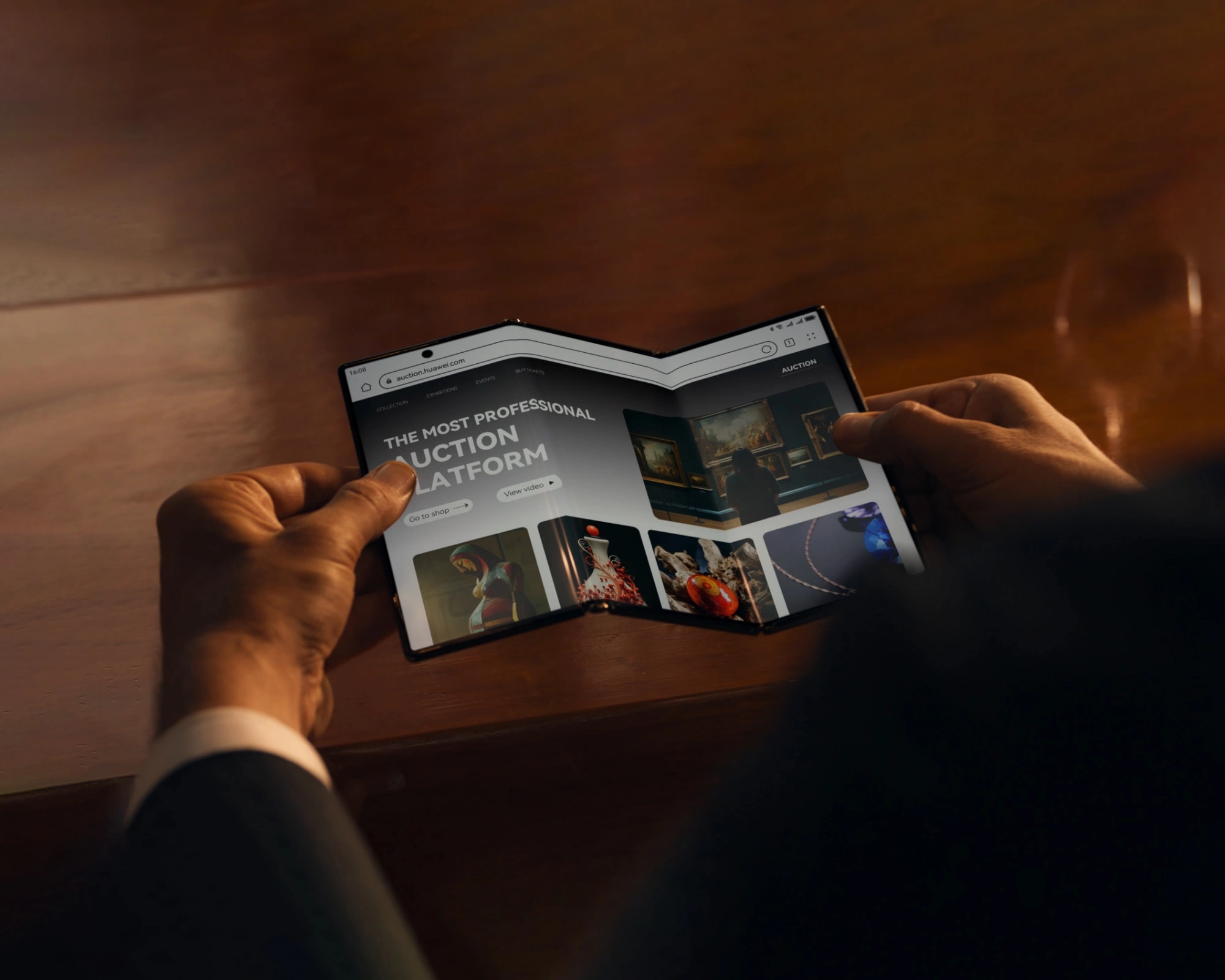
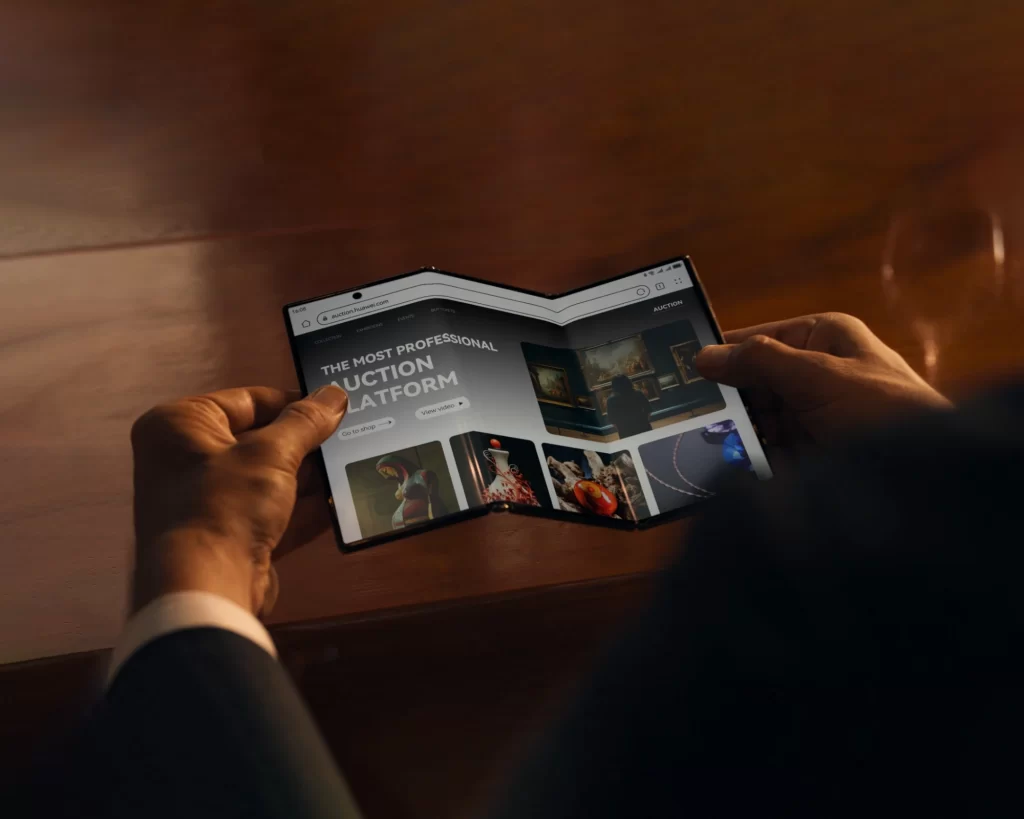
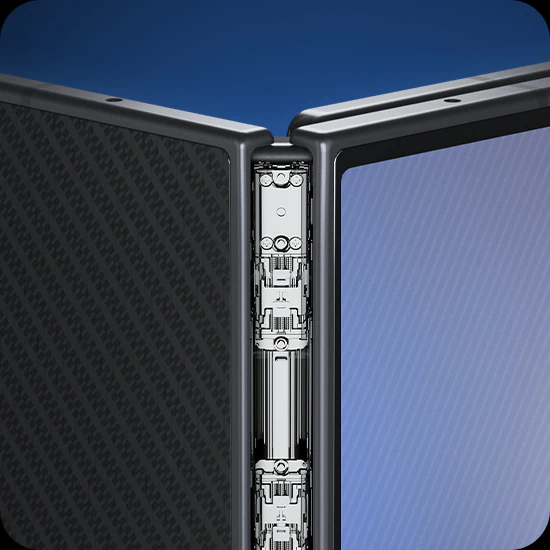
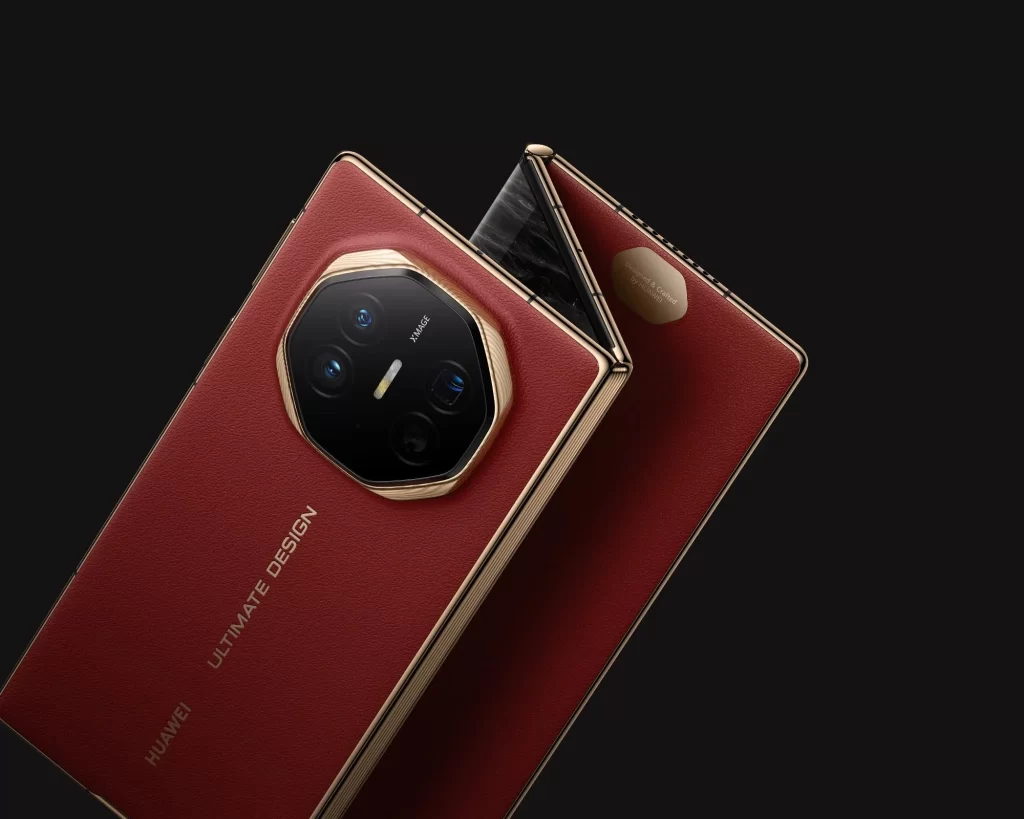
The Huawei Mate XT unfolds in a Z-shape into a large 10.2-inch flexible 10.2-inch Hi-Res HUAWEI X-True display, offering multiple usage modes. You can operate it as a standard phone, a dual-screen foldable or a fully unfolded tablet-like screen. The hinge system contains an inward hinge that has a sliding track, and an outward hinge that contains an intricate structure of its own made of ultra-high strength steel with a strength of 1900 MPa.
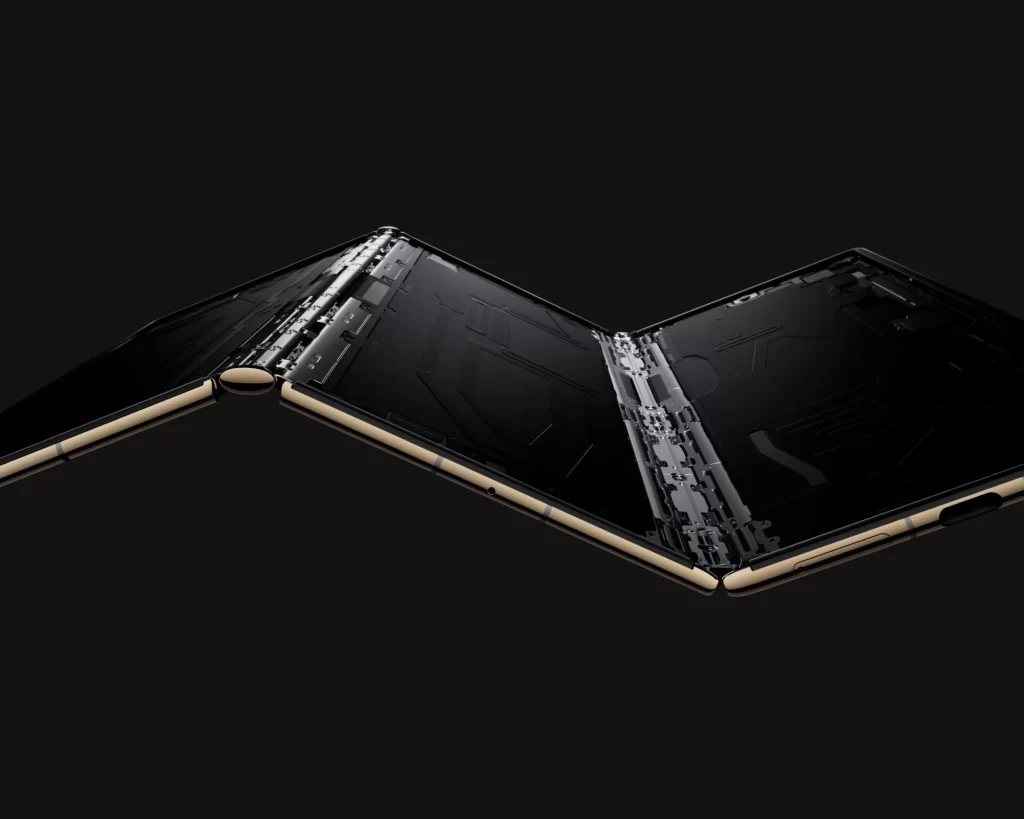
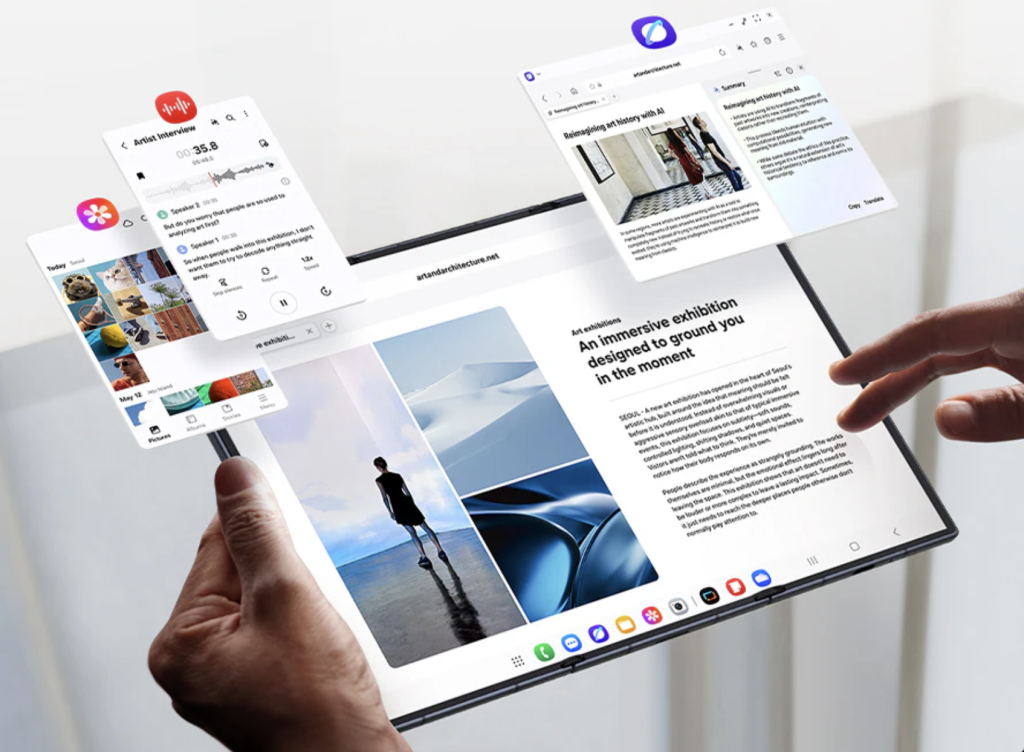
The Samsung Galaxy Z Trifold on the other hand, features a Dynamic AMOLED 2X display that expands to roughly 10 inches when fully unfolded. It also includes a large and bright cover display, allowing users to interact with the phone comfortably without opening it fully. The only downside with the Galaxy Z Trifold (unlike the Mate XT) is that you can only use the large inner screen when fully unfolded, whereas with the Mate XT, you can still use parts of the screen and not all.
Performance and Software Ecosystem
Huawei equips the Mate XT with its Kirin 9010 chipset, paired with up to 16GB of RAM and storage options that reach 1TB. The device runs HarmonyOS, which is deeply integrated into Huawei’s ecosystem of laptops, wearables and tablets. This enables strong cross-device workflows, although global users may encounter limitations with certain Android apps and services.
Samsung’s Galaxy Z Trifold is powered by Qualcomm’s flagship Snapdragon 8 Elite for Galaxy chip, also offering 16GB RAM and 512GB storage. It runs Android with One UI and Galaxy AI features, emphasising productivity, multitasking and seamless app compatibility. Features such as Samsung DeX allow the trifold to function as a desktop-like workspace when connected to a display, keyboard or mouse, allowing you to open up to 4 workspaces on its large main screen.
Battery and Charging
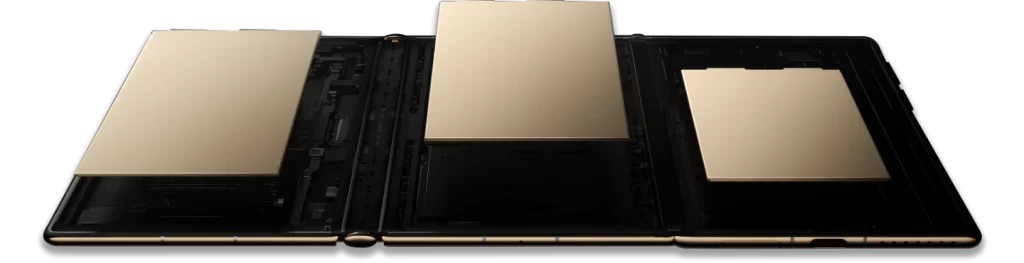
Both devices include large batteries designed to support their expansive displays and multitasking capabilities.
The Huawei Mate XT features a 5600mAh battery with fast wired and wireless charging, making it well suited for heavy users who rely on quick top-ups during the day.
Samsung’s Galaxy Z Trifold also uses a 5600mAh battery and supports wired, wireless and reverse wireless charging. Samsung places emphasis on power management and ecosystem charging features that integrate with accessories like Galaxy Buds and smartwatches.
It’s curious though, that Samsung decided to include a power adapter with the trifold when they don’t with the other Folds.
Camera Capabilities
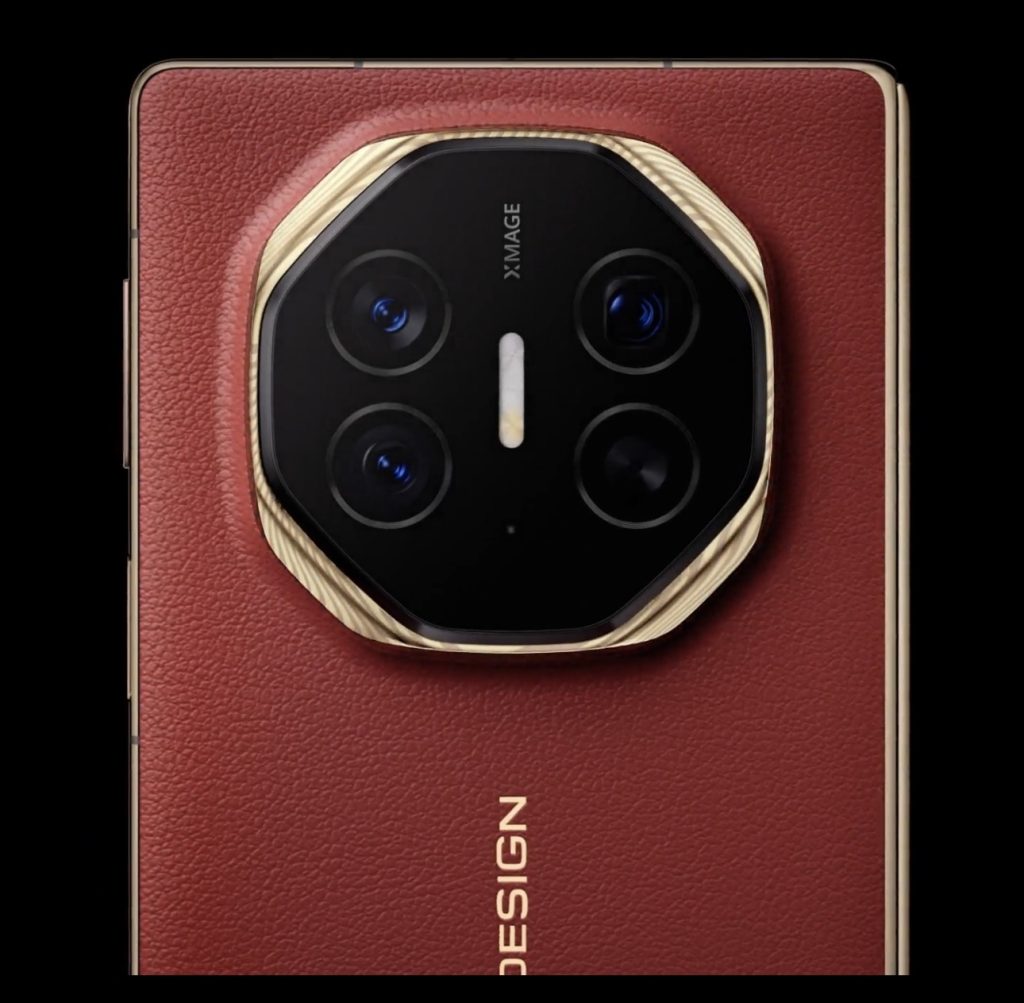
Huawei continues its reputation for camera innovation with a triple-camera system that includes a high-resolution 50MP Ultra Aperture main sensor, a 12MP ultra-wide lens and a 12MP periscope telephoto camera capable of advanced optical zoom at 5.5x and 50x digital zoom. The flexible form factor also allows for creative shooting angles and improved selfie options using the main camera system.
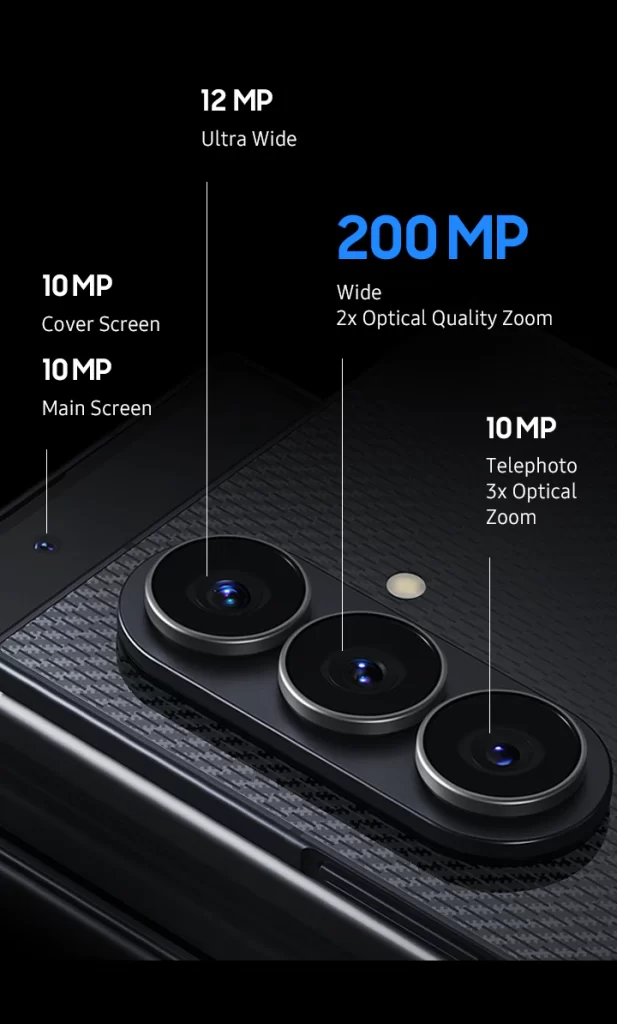
Samsung’s Galaxy Z Trifold delivers a versatile multi-camera setup aligned with its flagship Galaxy standards. It features triple camera setup like the Fold 7, with a 200MP wide angle lens and 2x Optical Quality Zoom, a 12MP Ultra Wide and 10MP telephoto with 3x Optical Zoom. The cover and main screens both have a 10MP camera lens. It emphasizes computational photography, video stabilisation and AI-assisted image processing.
The tri-fold design also supports hands-free shooting modes and improved multitasking while capturing photos or video.
What Tri-Fold Phones Mean for the Smartphone Market
Tri-fold phones represent more than a new design trend. They point to a future where smartphones are no longer limited by fixed screen sizes. These devices encourage deeper multitasking, richer content consumption and more serious productivity use cases that were previously reserved for tablets or laptops.
For professionals, tri-fold devices can function as portable workstations, enabling document editing, video calls and presentations on a single device. For consumers, they unlock immersive entertainment experiences without carrying multiple devices.
The Impact on the Tablet Market
As tri-fold phones continue to mature, they pose a direct challenge to traditional tablets. When a smartphone can unfold into a 10-inch display and still fit in a pocket or small bag, the need for a separate tablet becomes less obvious for many users.
Tablets are unlikely to disappear, especially in education, enterprise and creative industries. However, tri-fold phones could significantly shrink the mainstream tablet market, particularly for casual users who primarily use tablets for browsing, streaming and light productivity.
Although, it would be interesting to see whether this is a market Apple would explore, with rumours of an iPhone fold ramping up because may cause them to cannibalise the iPad Mini market.
Looking Ahead: A Glimpse of the Future
The Huawei Mate XT and Samsung Galaxy Z Trifold are early signals of where mobile technology is heading. As durability improves, software adapts and prices eventually become more accessible, tri-fold devices could redefine what we expect from a smartphone.
Rather than replacing phones or tablets outright, tri-folds suggest a future where one device flexes to meet many needs. In that future, the question may no longer be whether you need a phone or a tablet, but how many screens you want your phone to unfold into.


What a terrifying yet exciting future!!
Keep these updates coming, we need to be in the need to know!