The creative landscape at the intersection of music, advertising, and branded content is undergoing one of its most significant shifts since the rise of digital media.
AI Audio Generation tools such as Suno and Auraa. are not only transforming how songs and audio content are produced, but also how marketers and creatives can integrate an audio experience into campaigns that connects with modern audiences.
In the same way that Generative AI tools like ChatGPT, Sora, Gemini and Google Veo, have reshaped copywriting, imagery, and video production, Suno is now redefining music and audio creation.
Why AI Matters in Music and Marketing
In marketing, AI has evolved beyond automation and analytics to become an active participant in content creation. Text, visuals, voice, and music can now be generated at speed and at scale. This means, AI has moved from experimental technology to a foundational component of modern creative workflows.
Key advantages driving adoption for marketers include:
- Automated content creation that accelerates campaign delivery.
- Personalisation at scale across diverse audience segments.
- Real-time optimisation based on performance data.
- Reduced production costs through less reliance on studios and external talent.
AI now plays a direct role in shaping how stories are told across channels – guided by human creative.
AI-Driven Music Creation with Platforms Like Suno and Auraa.
Suno has emerged as a leading platform in AI-music generation and enables creators to produce fully arranged tracks, complete with instrumentation and vocals, using simple text prompts. This capability fundamentally changes the economics and accessibility of music creation.
What once required weeks of composition, recording, and mixing can now be achieved in minutes.
Alongside Suno, Auraa. Africa is also pushing this evolution further by enabling artists to conceptualise and release full length projects using AI-assisted workflows, especially in the African context.
These tools are no longer limited to demos or experimental outputs. They are increasingly being used to create commercially viable music that competes in mainstream spaces.
For marketers, this opens opportunities to develop custom soundtracks, campaign music, and branded audio assets without traditional production constraints.
Case Studies: “Suka!” and South Africa’s First AI Amapiano Album
Songs such as “Suka!” by Rea Gopane and South Africa’s first AI generated amapiano album by Gift Lubele, are setting a precedent on what AI-generated music, voice overs, jingles and other audio format will mean storytelling moving forward. Let’s explore each of these songs:
Rea Gopane’s “Suka!”

“Suka!” by Rea Gopane gained widespread attention not only for its sound, but for its method of creation. Regarded as one of the first AI-assisted amapiano tracks to gain mainstream traction, the song demonstrated how genre-specific AI tools could produce culturally relevant music at speed.
The reaction to this song sparked an important conversation; while many praised the polished production and accessibility, others are questioning whether the vocals and emotional depth fully reflect amapiano’s cultural roots – A highlight to the recurring tension in AI-driven creativity between efficiency and authenticity.
Here’s the kicker: a lot of people jammed to the Suka! for a while WITHOUT even knowing it was AI-generated, and that raises an important topic regarding the disclosures of AI usage in public facing media and content.
Gift Lubele’s AI Generated Amapiano Album Using Auraa.
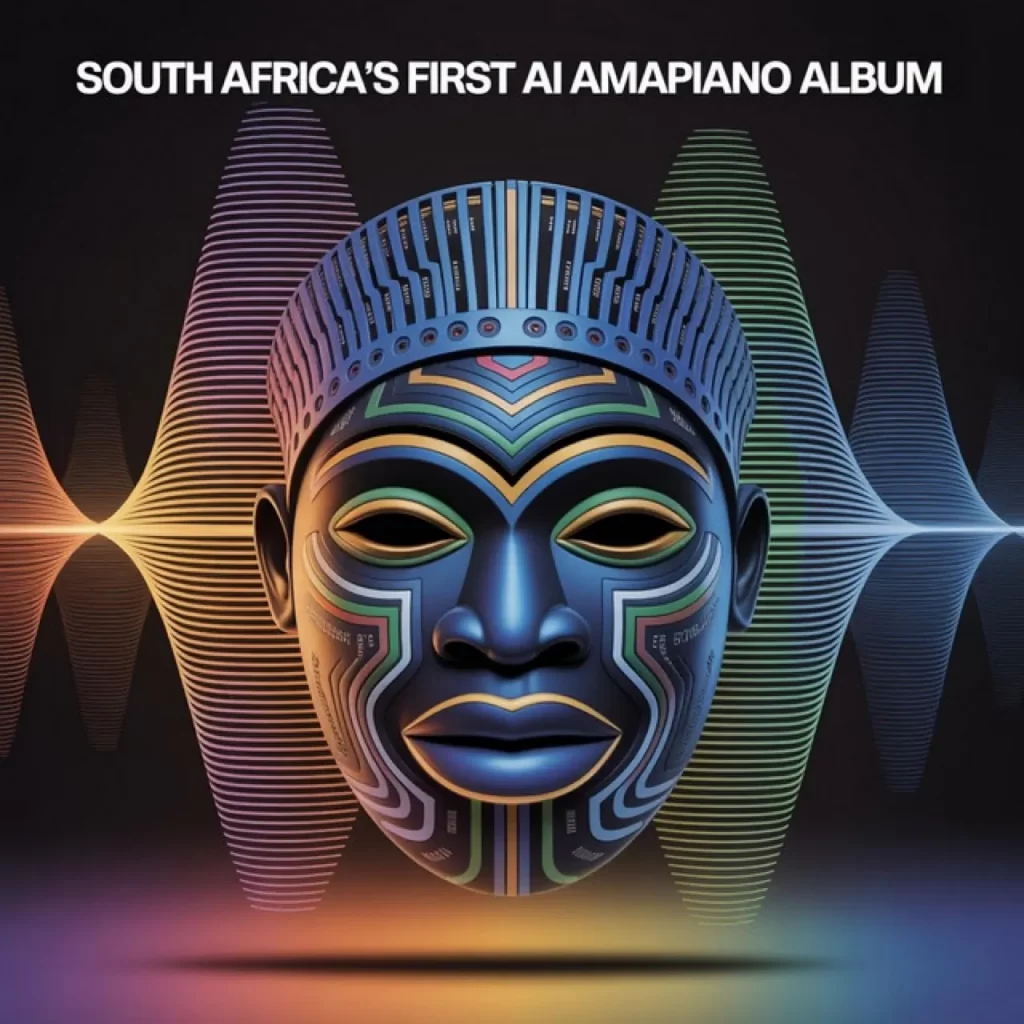
In September 2025, Gift Lubele made history with what is now widely recognised as South Africa’s first AI-generated amapiano album, created using the Auraa. AI platform. The project consists of a full length album that blended traditional amapiano elements with AI-assisted composition and arrangement.
AI was used to explore musical ideas, structures, and variations, while human intent guided the final output. For me, this album shaped the conversation around the music creation process using AI tools, effectively lowering the barrier of entry for upcoming and current artists without access to expensive studio infrastructure.
I have been saying that AI is a creative collaborator (a copilot) in the creative process and not a replacement.
The Marketing Implications: Audio and AI-Generated Voiceovers
Beyond music, the same technologies are rapidly reshaping how marketers approach voice and audio content. AI-generated voiceovers are becoming increasingly natural, expressive, and scalable, making audio a more strategic asset in campaigns.
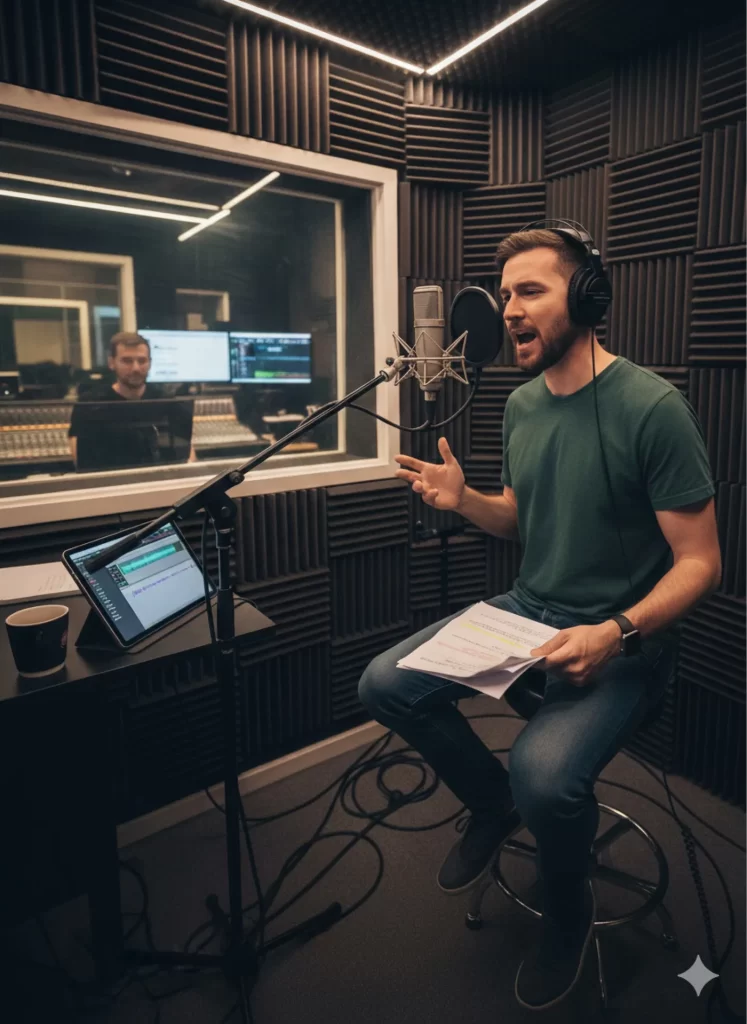
For marketing teams, this enables:
- Rapid production of voiceovers across tones and accents.
- Consistent brand voice across platforms.
- Localised audio content without multiple recording sessions.
- Fast testing and optimisation of scripts and messaging.
Whether they are used in social media, podcasts, digital advertising, or branded experiences, AI voice tools allow sound to become a flexible and integral part of campaign design.
Balancing Efficiency with Authenticity
Despite rapid progress, the most effective applications of AI rely on human and machine collaboration. AI excels at generating options and variations, while humans provide emotional intelligence, cultural sensitivity, and brand judgement.
Successful workflows between AI and human creatives typically follow a hybrid approach that includes:
- AI prototyping creative directions.
- Human creators refining and contextualising the output.
- Performance data informing optimisation.
This balance ensures that speed and scale do not come at the cost of meaning.
The Need for Policy, Governance, and Creative Protection
As AI generated content becomes more embedded in creative workflows, there is a growing need for clear policies and governance frameworks to guide its responsible use. Without guardrails, there is a real risk that AI tools could exclude creatives from the very process they helped define, rather than empower them.
Key policy considerations may include:
- Transparency in AI usage, ensuring audiences and collaborators know when content has been AI assisted
- Clear attribution and credit, especially where AI is trained on existing creative works
- Consent and licensing frameworks for voices, styles, and cultural outputs
- Fair compensation models that recognise human contribution within AI assisted workflows
For the creative industry, the goal should not be to slow innovation, but to ensure that AI augments creative roles rather than replaces them. Policies must protect creative ownership, cultural integrity, and professional relevance, particularly in markets where creative work is already under economic pressure.
Used responsibly, AI can expand access and opportunity. Used without oversight, it risks concentrating power and marginalising the very creators it claims to democratise. The next phase of AI adoption will be defined not only by technological capability, but by how intentionally the industry chooses to govern it.